SQL · Pattern 11 — Interview SQL Patterns
Consecutive Records
Uses LAG() to compare consecutive rows.
Source data — Pattern 11: Interview SQL Patterns
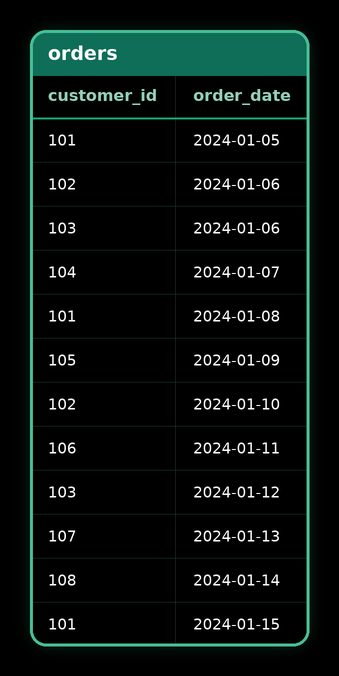
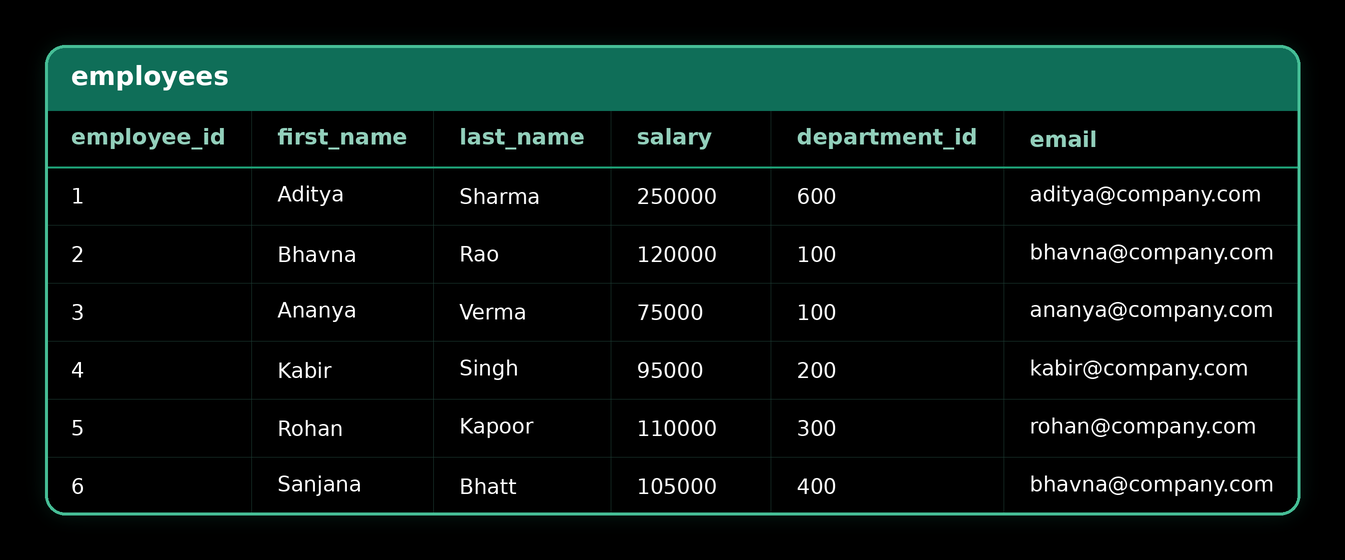
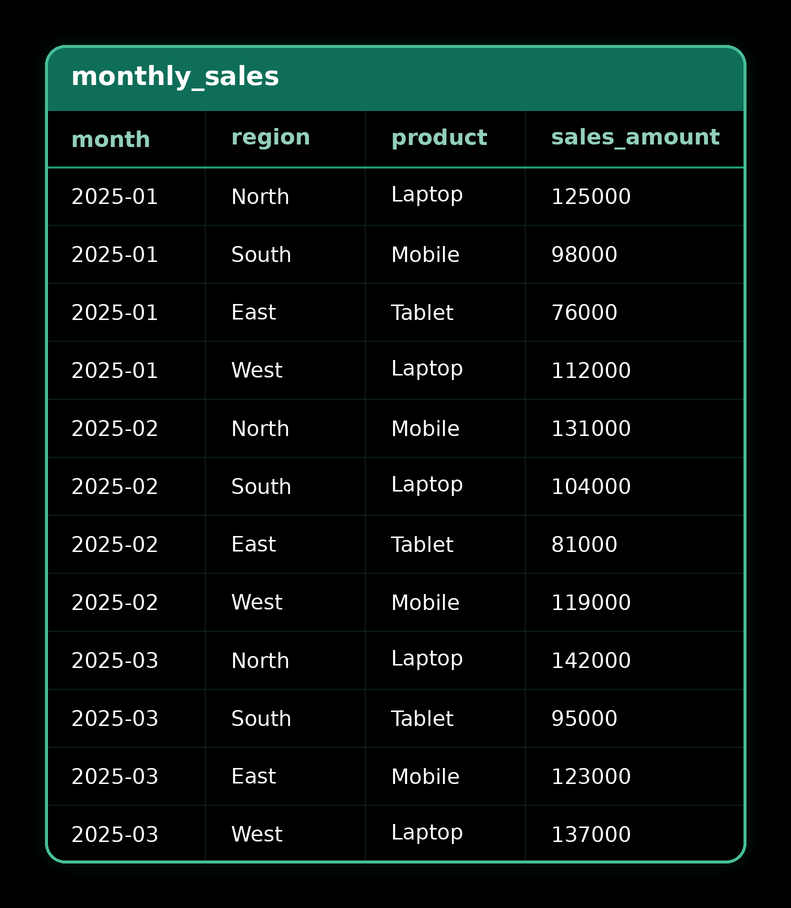
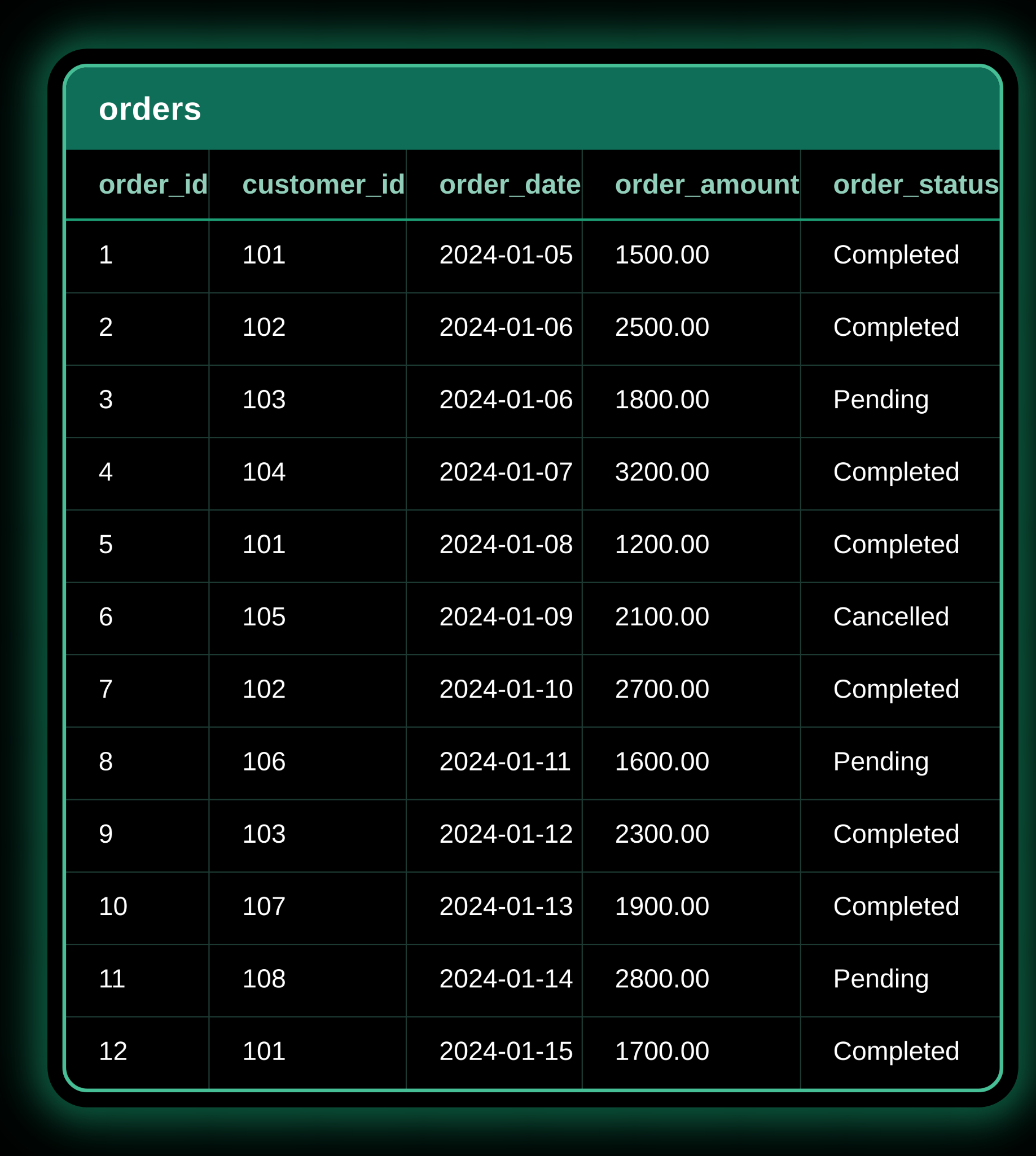
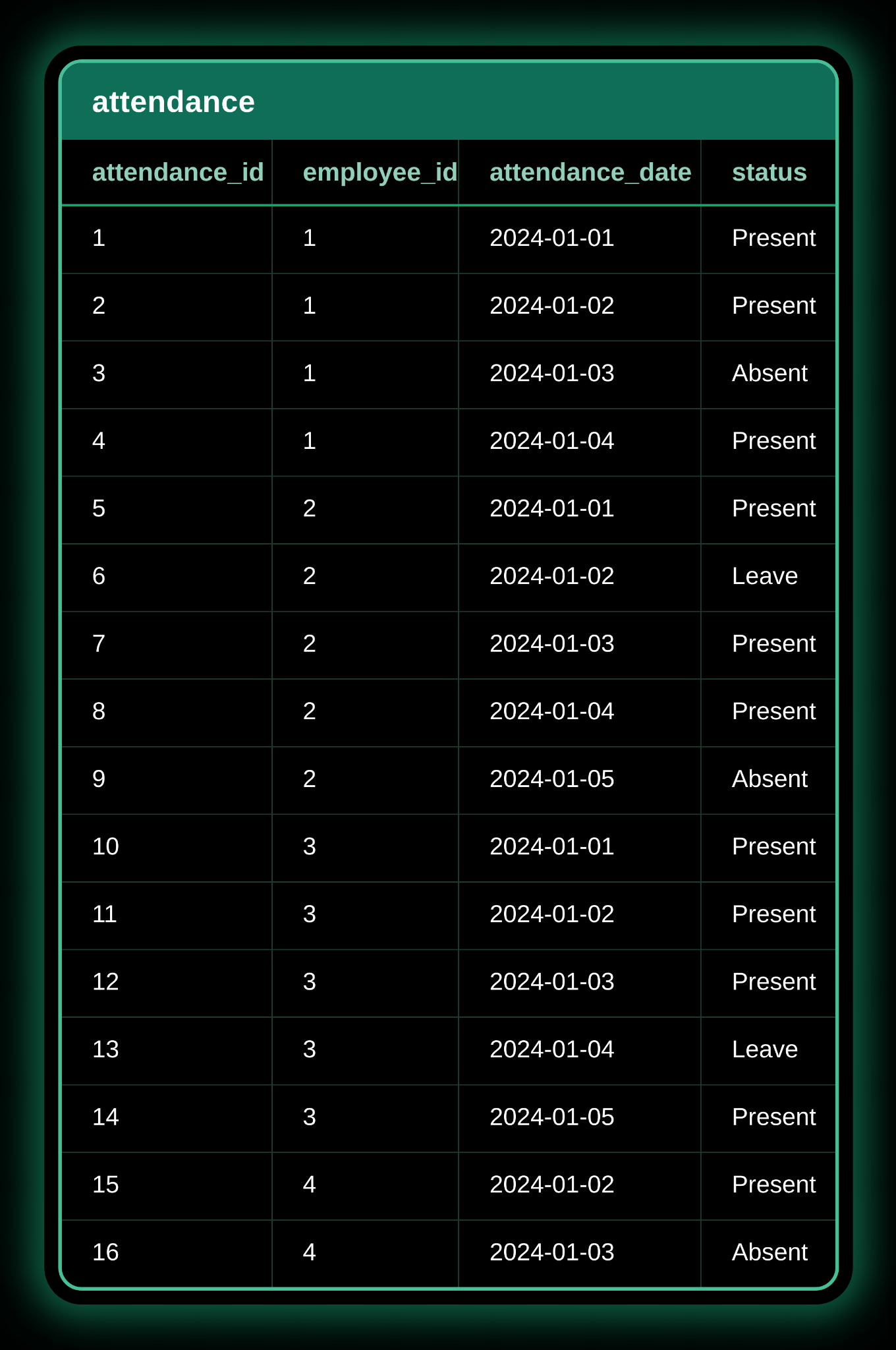
All queries run against the shared employees table (see schema.sql). Topics 71 and 72 introduce an orders table to solve consecutive records and gaps-and-islands problems. Topics 73 and 74 introduce a monthly_sales table to demonstrate PIVOT and UNPIVOT operations.
What it does
Uses LAG() to compare consecutive rows.
Problem
Find customers who placed orders on consecutive days.
SELECT customer_id,order_date
FROM orders;
Result